Why Isn’t My Immigrant Ancestor in the Early Census Records?
You have traced your family back to an immigrant ancestor — perhaps Irish, Italian, Polish, or German — and you know they were alive and living in the United States during a particular census year. So why can’t you find them? The answer is almost always timing. The window between when someone arrived and when the census was taken is everything.
The Census Only Captured a Single Moment
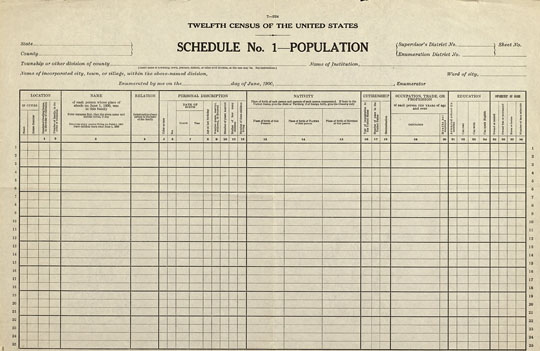
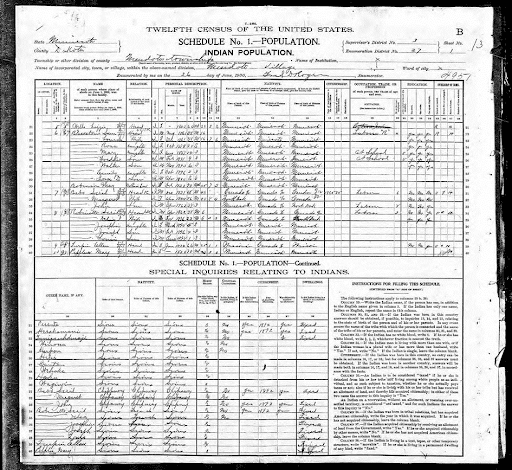
A census is a snapshot, not a continuous record. The US census was conducted on a specific day — or more accurately, over a period of weeks centred on a specific reference date, usually in June. Anyone who was not physically present in the United States on or around that date simply would not be counted, regardless of whether they spent the rest of the year there.
An immigrant who arrived in July of a census year — just weeks after the enumeration — would not appear until the following census, ten years later. If they arrived in the final months of a census year, they would be invisible to census searches for an entire decade.
The Decade Gap and What It Means
Because the US census was taken every ten years, a late arrival could mean a very long wait before appearing in any census record at all. An immigrant who arrived in late 1880 would first appear in the 1890 census — which was then almost entirely destroyed in a fire. Their first surviving census record might therefore be 1900, a full twenty years after their arrival.
For researchers, this creates a frustrating gap. You know your ancestor arrived. You have a passenger list, a ship manifest, perhaps even a letter. But the census records seem to skip directly from their homeland to an established American household, with nothing in between.
Where to Look Instead
When census records fail, the immigration records themselves become your primary source. Passenger lists and ship manifests are not just proof of arrival — they contain rich biographical information that the census often lacks. From the 1890s onward, ship manifests recorded the immigrant’s last address in their home country, the name and address of their US contact, how much money they were carrying, and whether they had been to the US before.
Naturalisation records are another underused source. The process of becoming a US citizen generated multiple documents over several years — a declaration of intent, a petition for naturalisation, and a certificate of citizenship. Each document recorded biographical details, and together they can paint a remarkably detailed picture of an immigrant’s early years in America.
State Censuses Fill the Gaps
Several US states conducted their own censuses in years between the federal census — typically in years ending in 5. New York, Iowa, Massachusetts, New Jersey, and others all have state census records from years like 1875, 1885, 1895, and 1905. These records are often overlooked but can be invaluable for finding immigrants who arrived between federal census years.
A family that is invisible in both the 1880 and 1890 federal censuses might appear clearly in the 1885 New York state census, recorded in full with ages, birthplaces, and occupations. Always check whether a state census exists for the place and time period you are researching.
Use the immigration year field in our Ancestor Census Research Assistant to filter your results. Enter your ancestor’s estimated arrival year and the tool will mark all earlier census years as “Not yet arrived” — so you can focus your search only on the years they were actually in the country.
The First Census After Arrival Is the Most Important
When an immigrant does appear in their first US census, that record is often extraordinarily valuable. The 1900 and 1910 censuses both asked directly for immigration year and years resident in the United States — information that helps you pinpoint arrival and find the corresponding passenger records. The 1920 census added naturalization status and mother tongue.
Even small details matter. The birthplace of a spouse or child can suggest when the family was formed and whether it was formed before or after immigration. The ages of American-born children can help narrow down the arrival window. If the oldest child was born in the home country and the next child was born in America, the immigration happened somewhere between those two birth years.
What to Do When the Trail Goes Cold
When you have exhausted the obvious searches, consider working backwards from what you know. Start with the earliest census where your ancestor clearly appears and work forward from there, then separately search all immigration records for the surname — including variant spellings — in the decade before that census. The arrival record and the census record are the two ends of the same story. Finding both is the goal.
Map your ancestor’s census timeline with their arrival year
Enter your ancestor’s birth year and arrival year together — our tool filters out all censuses before they arrived so you know exactly where to start searching.